







Search Results for: Northeast Characteristics
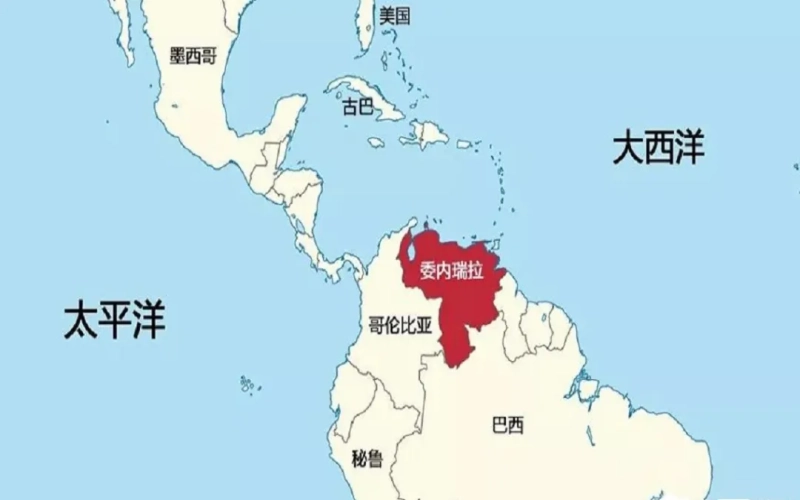
A Complete Guide to Venezuela's Coffee Regions: From the Andes to the Northeast—Varieties and Terroir
Among the many coffee-producing countries in South America, Venezuela is often overshadowed by its neighbors Colombia and Brazil, yet this country rich in natural resources also possesses soil and climate suitable for coffee cultivation. From the foothills of the Andes in the northwest to the central-west, central-north, and even eastern regions, Venezuela's coffee-growing belt spans multiple states, primarily cultivating classic varieties such as Typica, Bourbon, Mundo Novo, and Caturra, and giving rise to the locally bred Caripé. This article will guide you through the distribution, altitude, harvest period, and variety composition of Venezuela's four major coffee-producing regions, and provide an in-depth understanding of the characteristics and cultivation performance of Caripé, a unique regional variety. Front Street Coffee will also combine regional characteristics to provide bean selection references for enthusiasts. [more…]
Analysis of the Flavors of Specialty Coffee from Brazil's Cerrado and South of Minas: An Overview of Yellow Bourbon Taste, Producing Estates, and Prices
Brazil, as the world's largest coffee producer, has its specialty coffee landscape mainly concentrated in the southern part of Minas Gerais, the Cerrado plateau in the central-west, and the Mogiana region northeast of São Paulo. This article begins with a flavor description of Brazil's Sertão Yellow Bourbon, examines how the terrain and microclimate of Brazil's coffee-growing regions influence what ends up in the cup, and highlights representative estates in specialty regions such as Cerrado and South Minas. It also includes Front Street Coffee's recommendations and buying guide for Brazilian beans, helping coffee enthusiasts gain a comprehensive understanding of the price ranges and flavor characteristics of Brazilian specialty coffee. [more…]

Frozen Pear Meets Coffee: How Harbin's Winter-Only Specialty Drink Became a New Internet-Famous Beverage
As Harbin became a popular tourist city in early 2024, locals' thoughtful attempts to cater to southern visitors gave rise to a unique drink—frozen pear coffee. This special concoction, combining traditional Northeastern frozen pears with espresso, offers a slushy texture paired with rich coffee, delighting southern tourists and surprising many Northeastern locals as well. In fact, this drink has existed in Northeastern cafes for several years, but it suddenly went viral this winter. This article will guide you through the origins of frozen pear coffee, how it's made, and the real reactions from all sides, so you can feel a cup of creative warmth in the icy city's winter. [more…]
Ethiopian Coffee Cultivation Geography and Flavor Analysis of the Sidamo Specialty Region
Ethiopia is hailed as the birthplace of coffee, and its unique highland geography and climate have given rise to a myriad of specialty coffees with diverse flavors. This article will guide you through Ethiopia's coffee-growing geography, processing methods, and export overview, with a focus on the flavor characteristics of the Sidama region. From forest and semi-forest to garden cultivation, from washed to natural, every step shapes the coffee's personality. Front Street Coffee recommends a variety of Ethiopian beans, allowing you to savor the rich aroma of the Roof of Africa in your own home. [more…]
Tanzania Arusha Kilimanjaro Coffee Beans: A Complete Guide to Origin, Quality Characteristics, and Buying Tips
Front Street Kilimanjaro Coffee comes from the area around Mount Kilimanjaro, the highest peak in Africa, in northeastern Tanzania. It is one of the finest representatives of Tanzanian AA coffee beans, with a unique cocoa-fruity aroma and strong, mellow sweetness. Starting from Tanzania's geography and coffee economy, this article introduces the origin and cultural history of Kilimanjaro coffee, outlines its producing regions, quality characteristics and flavor expression, and organizes practical ways to judge when buying fresh coffee beans, as well as the key principles to grasp when blending coffee, such as selecting beans, removing defective beans, and understanding bean variety traits and roast levels, helping coffee lovers gain a more comprehensive understanding of this coffee known as "the most African in character." [more…]
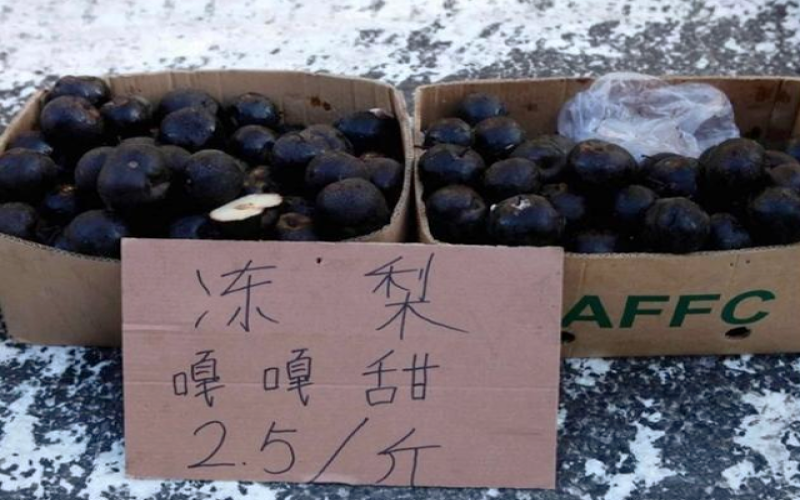
Luckin's launch of Frozen Pear Americano sparks heated discussion; netizens say its taste is comparable to rock sugar snow pear
In the depths of winter, the Northeastern specialty frozen pear has once again become a focal point—this time, it has sparked a new trend by colliding with coffee. KFC, Nestlé, and Luckin Coffee have all coincidentally launched frozen pear coffee series, among which Luckin's Big Frozen Pear Americano, a collaboration with the TV series *Country Love*, has drawn considerable attention. However, this new product has been collectively criticized by netizens for being too sweet and having a weak coffee presence, with many saying it tastes just like Master Kong's Rock Sugar Snow Pear juice, triggering a heated online discussion about the taste of frozen pear coffee. [more…]
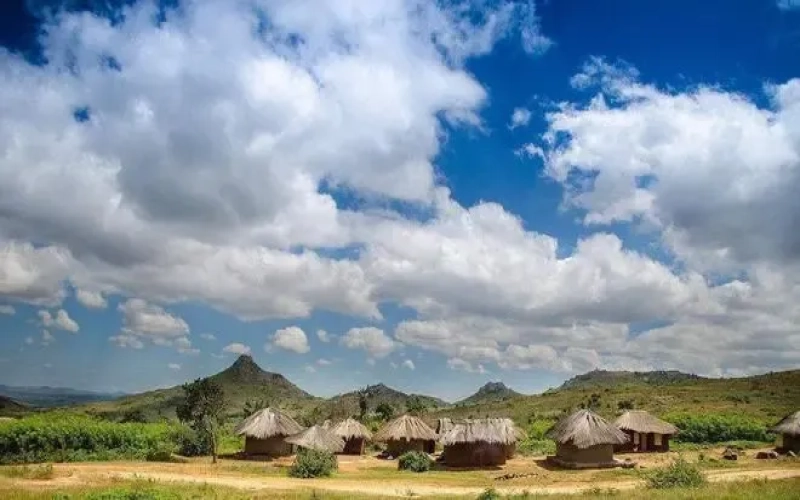
A Panoramic Scan of African Coffee-Producing Regions: An Overview of Malawi, South Africa, Uganda, and Niche Producing Countries
The African continent is blessed with unique highland, volcanic, and river resources, and its coffee-producing regions are widely distributed. In addition to Kenya and Ethiopia, there are several other producing countries worthy of attention. This article focuses on three countries—Malawi, South Africa, and Uganda—and outlines the rise and fall of their respective coffee industries, growing conditions, variety distribution, and flavor characteristics, while also briefly introducing producing regions such as Zambia, Côte d'Ivoire, Zimbabwe, and Angola, which have smaller output but are gradually recovering. The article also retains recommendation information related to the Front Street brand, making it easy for coffee enthusiasts to gain a comprehensive understanding of the diversity of African coffee. [more…]
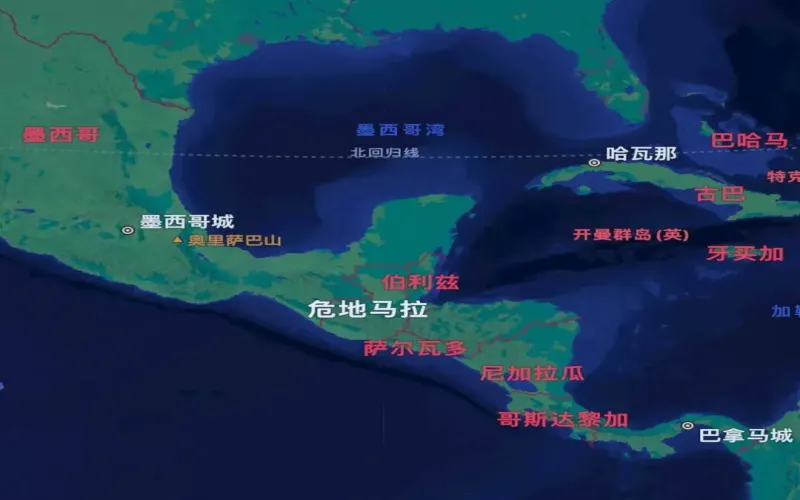
A Beginner's Guide to Guatemalan Coffee Regions: Eight Well-Known Origins and Their Flavor Profiles Explained
Guatemala is an important coffee-producing country in Central America. Of its 22 departments, 20 grow coffee, with eight major regions—including Huehuetenango, Cobán, New Oriente, Atitlán, and Antigua—being the most well known. These regions fall into two broad categories, volcanic and non-volcanic, and thanks to high altitudes, volcanic soil, ample rainfall, and varied microclimates, they produce Guatemalan coffee with an elegant, lively acidity, a clean mouthfeel, and clearly layered flavors. This article starts from the geographical environment and climatic characteristics, introduces the growing conditions and coffee characteristics of each major region one by one, and recommends Front Street Coffee's entry-level selection of Guatemalan Huehuetenango washed coffee beans. [more…]
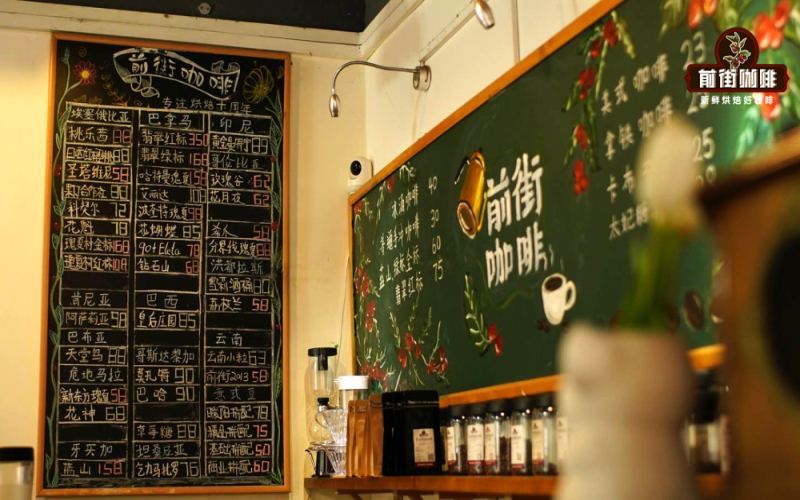
Colombia Rose Valley Coffee Flavor Analysis: A Complete Guide from Anaerobic Fermentation Process to Iced Pour-Over Parameters
Colombia, as the world's second-largest coffee-producing country, is not only famous for its washed beans but is also a core representative of special anaerobic fermentation processing methods. This article focuses on Rose Valley coffee produced by Big Tree Estate in Colombia's Santander region. It first reviews Colombia's coffee cultivation history and regional landscape, then takes a deeper look at the characteristics of the Caturra variety and the double anaerobic enzyme washed process, and also includes a complete roasting curve, cupping information, and parameters for both hot brewing and iced hand brewing. Whether you want to understand the processing logic behind anaerobically fermented beans or are looking for an iced hand-brewing recipe you can directly replicate, you will find the answers in this article. For more specialty coffee content, follow Front Street Coffee (FrontStreet Coffee). [more…]
A Complete Analysis of Dominican Coffee Bean Varieties and Flavors: Characteristics of the Santo Domingo, Barahona, and Cibao Regions
The Dominican Republic is located in the heart of the Caribbean, where a mild tropical climate and rolling mountain terrain provide exceptional conditions for coffee cultivation. This article systematically reviews the overall picture of Dominican coffee from the perspectives of producing regions, variety composition, flavor characteristics, processing methods, and historical origins. Among them, Barahona in the southwest, the Cibao Valley in the north, and the Santo Domingo and Bani areas in the south all produce high-quality coffee, with Santo Domingo and Bani being the most renowned. The article also introduces the cultivation proportions of the two major varieties, Typica and Caturra, the role of washed processing in enhancing flavor, and the differences in acidity and mouthfeel between highland and lowland coffee, providing coffee enthusiasts with a reference for understanding the unique charm of this Caribbean origin. [more…]
Tanzanian Kilimanjaro Coffee Beans: A Complete Guide from Origin and History to Brewing Methods and Flavor Profile
Kilimanjaro coffee is one of the representatives of African specialty coffee, grown in the volcanic soil region at the foot of Mount Kilimanjaro in Tanzania. This article systematically reviews the origins and producing-area background of Tanzanian coffee, analyzes the flavor characteristics and quality performance of Kilimanjaro AA-grade beans, and provides a detailed introduction to various single-origin brewing methods as well as the key points of blending and specialty coffee preparation. It also compiles compositional data for green beans and roasted beans, helping coffee enthusiasts gain a comprehensive understanding of this coffee hailed as "the most African in character." [more…]
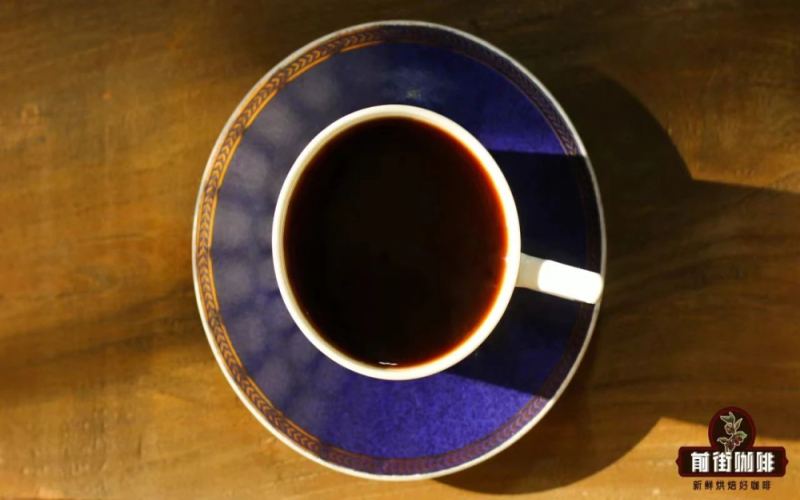
Indonesia Mandheling Star Coffee Bean Origin and Pour-Over Method | Front Street Coffee Flavor and Wet-Hulling Process Detailed Explanation
Indonesian Mandheling is known for its low acidity, intense body, and full, robust mouthfeel. Front Street Indonesian Mandheling in particular combines aroma, intensity, body, and bitterness all in one—those who like it treasure it like a gem, while those who don't think it tastes like drinking Chinese herbal medicine. This article begins with the history of Indonesian coffee, tracing the introduction of Arabica during the Dutch colonial period, the rise of Robusta after leaf rust disease, and today's industry structure dominated by smallholder farming; it then goes deeper into producing regions such as Sumatra and Bali, explaining Mandheling's growing environment and variety names like TimTim and Ateng; it focuses on analyzing why the wet-hulling process creates Mandheling's unique low acidity and subdued aroma, and provides Front Street Mandheling's pour-over parameters and staged extraction steps. [more…]
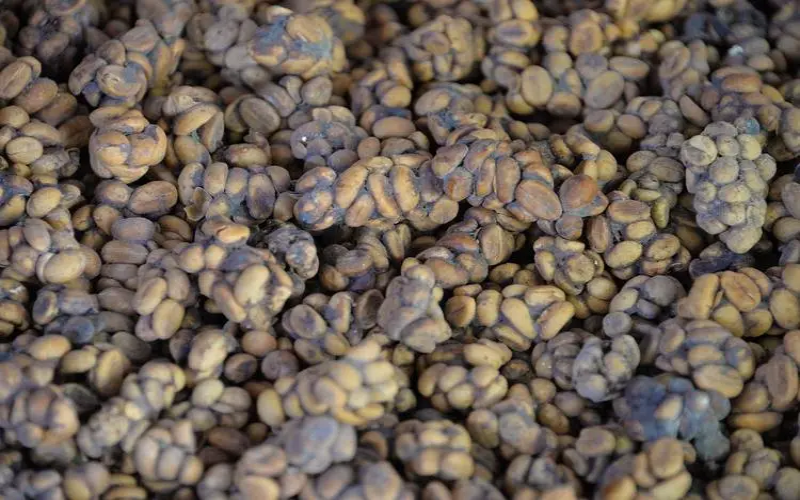
A Complete Guide to Indonesian Coffee Beans: Flavor Characteristics of Robusta and Arabica and the Legend of Mandheling
Indonesia is a major coffee-producing country globally, and both Kopi Luwak and Mandheling originate there. The history of Indonesian coffee can be traced back to the Dutch colonial period. Today, Robusta accounts for about 85% of the nation's production, while Arabica is distributed in high-altitude regions such as Sumatra and Sulawesi. Sumatra's Mandheling coffee is renowned for its rich and intense character, with Front Street Lintong Mandheling and Front Street Golden Mandheling being representative examples. This article will outline the cultivation history of Indonesian coffee, its main producing regions, the varietal characteristics of Mandheling, the wet-hulling process, and the grading system, and will introduce Front Street Coffee's brewing recommendations and flavor profile, guiding you through a comprehensive understanding of the unique charm of Indonesian coffee. [more…]
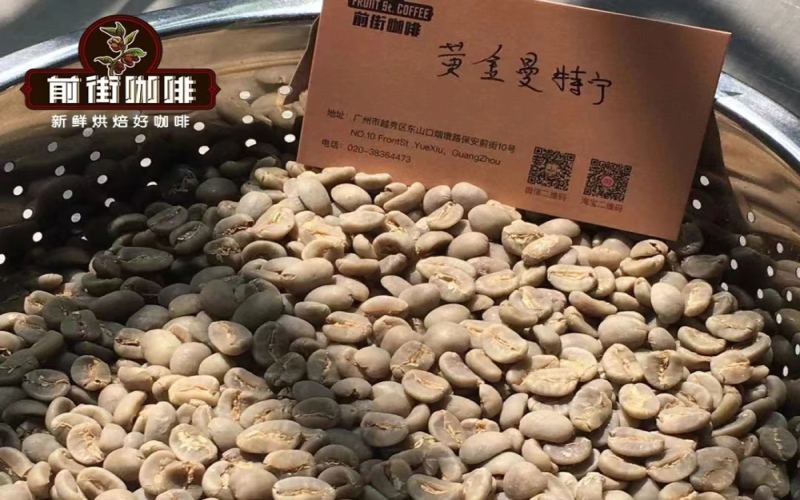
The Historical Origins of Mandheling Coffee and a Detailed Explanation of Sumatra's Regional Varieties and Grading
Mandheling coffee is one of Indonesia's most iconic coffees, known for its full-bodied and rich flavor. This article will guide you through the history of coffee cultivation in Indonesia, the varietal characteristics of Mandheling, the terroir differences among Sumatra's main growing regions, as well as Indonesia's coffee bean grading standards and the unique features of the wet-hulling process. We will also introduce two Mandheling coffee beans recommended by Front Street Coffee along with brewing suggestions, to help you better savor this classic coffee. [more…]
A Complete Analysis of Mandheling Coffee Origins: Indonesian Coffee Geography and Variety Grading from Sumatra to Bali
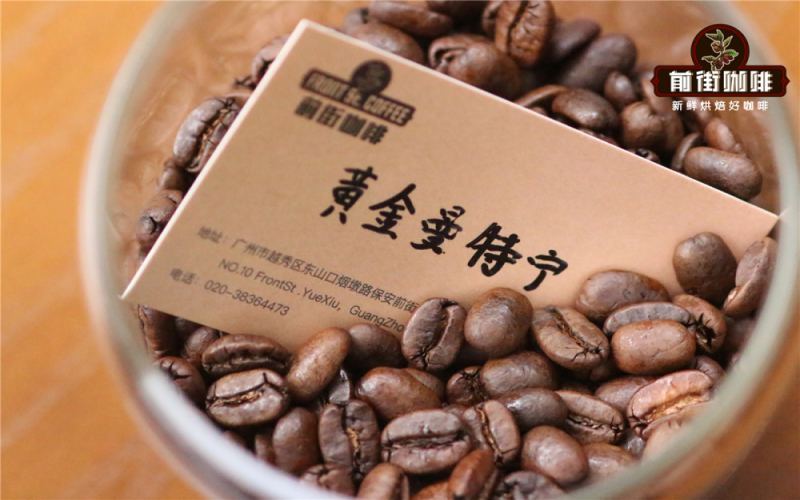
Mandheling coffee, with its unique flavor profile of rich aroma, full body, and pronounced bitterness, has become the signature calling card of Indonesian coffee. From the Lintong highlands of Sumatra to the shores of Lake Tawar in Aceh, from the Kintamani highlands of Bali to the Ijen Plateau of Java, the volcanic soils and tropical rainforest climate of the Indonesian archipelago nurture coffee beans of strikingly distinct character. This article systematically reviews the cultivation history of Indonesian coffee, the distribution of its main producing regions, the varietal characteristics and grading standards of Mandheling, and offers an in-depth analysis of how the wet-hulling process shapes its low-acidity, thick-bodied personality, while also introducing two products recommended by Front Street Coffee: Lintong Mandheling and PWN Golden Mandheling. [more…]
A Comprehensive Analysis of the Flavor Characteristics and Variety Grading System of Colombia's Huila Coffee Region
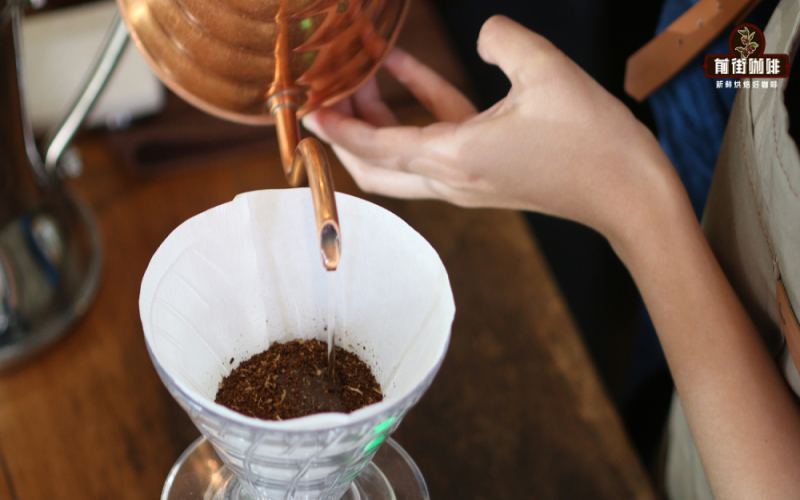
In the world of coffee, every producing country is dotted with numerous regions and varieties, and within those regions there are well-known growing areas and estates whose place names and estate names often flow directly into the market as coffee brands. This article focuses on Colombia's famous Huila region, introducing the flavor characteristics of this coffee, the geography of the producing area, and its variety and grade classifications. Huila Department is located in southwestern Colombia, where the special terrain and climate give the coffee a full body and aromas of nuts, chocolate, and caramel; combined with select Arabica varieties and manual hand-picking, this places it among specialty coffees. Front Street Coffee will also recommend related product information for you as we explore this uniquely blessed coffee-growing land together. [more…]
Indonesian Coffee Bean Brand Recommendation Guide: A Full Analysis of Mandheling Pour-Over Parameters and the Wet-Hulling Process
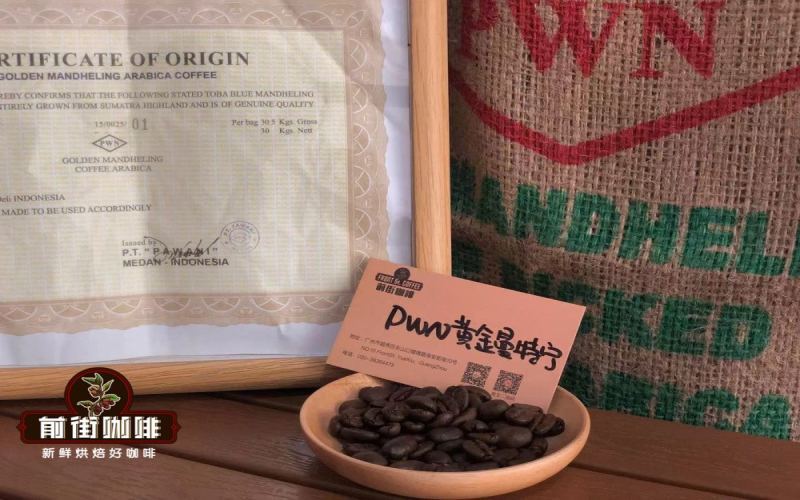
Indonesia is a major coffee-producing country globally, and both Mandheling and Kopi Luwak come from this tropical archipelago. Mandheling is known for its low acidity, rich body, and heavy mouthfeel, with a flavor profile that combines aroma, richness, depth, and bitterness. This article reviews the cultivation history and main producing regions of Indonesian coffee, explains in detail the varietal characteristics of Mandheling, the wet-hulling process, and the G1 grading standard, and shares Front Street Coffee's KONO dripper pour-over parameters and moka pot brewing steps, helping you gain a comprehensive understanding of the flavor code and extraction key points of authentic Indonesian coffee. [more…]

A Comprehensive Analysis of Tanzania Kilimanjaro Coffee Beans: Front Street AA Grade Flavor Characteristics and Origin Information
Kilimanjaro coffee comes from the area around Mount Kilimanjaro, the highest peak in Africa, in northeastern 青Tourism. It is one of the most representative top-grade varieties among Tanzania AA coffee beans. The volcanic ash soil gives it a full body and soft acidity, with notes of cocoa fruit, wine, and fruit. It is praised by coffee gourmets as the coffee with the most African character. Front Street Coffee Kilimanjaro has a rich aroma and prominent acidity, making it suitable both for drinking on its own and for use in blends. This article will introduce its producing region background, flavor performance, grade characteristics, and Tanzania coffee culture, taking you through a comprehensive understanding of this African specialty coffee known as the "coffee gentleman." [more…]

Kenya AA Coffee Beans | Introduction to Kenyan Coffee Varieties SL28, SL34 and Their Flavor Characteristics
Just as different grape varieties produce wines with vastly different flavors, the variety of coffee beans is also one of the key factors influencing the flavor of the coffee in your final cup. Panama's T2722 Geisha is the best example—it has drawn widespread attention for its white floral aromas and citrus fruit notes. And today, Front Street Coffee wants to share [more…]
The Origin and History of Mandheling | What is the Sumatra coffee grading system? What varieties of Mandheling are there? How is Indonesian coffee brewed?
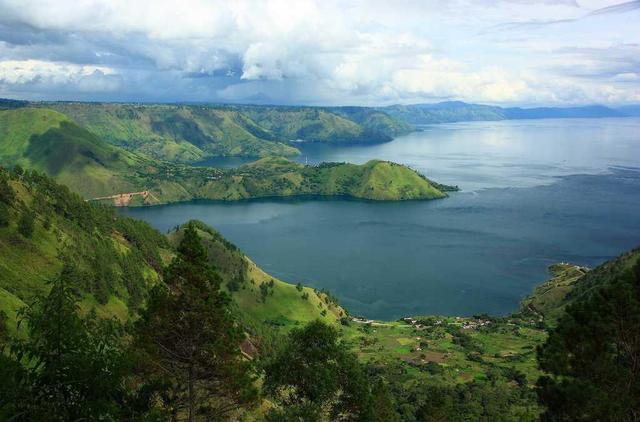
Once hailed as the most expensive coffee in the world, Kopi Luwak comes from Indonesia, and its most iconic representative is Front Street Mandheling coffee. Mandheling coffee has a moderate acidity, an extremely heavy aroma, a rather bitter taste, and a rich body with a thick, full mouthfeel. Its flavor combines aroma, intensity, richness, and bitterness in one. Of course, for [more…]